EMETSOFT LEGACY ARTICLE
The Story of EmetSoft’s Early History
From the late 1980s onward, Mr. Rohan Manamudali and his team began a remarkable journey that helped shape local language computing in Sri Lanka.
The beginning of a remarkable journey
Mr. Rohan Manamudali’s early exposure to computers began during his school years, when he first encountered a computer and developed a deep curiosity about how such systems worked. At a time when computing resources and formal learning opportunities were limited, curiosity and determination became the foundation of what would later become a major contribution to Sri Lanka’s local language computing history.
During the late 1980s, while university education was disrupted by the situation in the country, Mr. Rohan Manamudali and his team used the period to study computers independently, learning from books and experimenting directly with both hardware and software.
Making computers work in local languages
One of the biggest barriers to computer adoption in Sri Lanka during that period was language. Many people were hesitant to use computers because they were not comfortable working in English. Recognizing this gap, Mr. Rohan Manamudali and his team focused on enabling computers to work effectively in Sinhala, and later in Tamil as well.
Through extensive experimentation with rendering, input methods, and local language usability, they succeeded in creating a word processor that could properly display and print local language characters. This was a major step in making computing more accessible to local users.
The emergence of THIBUS
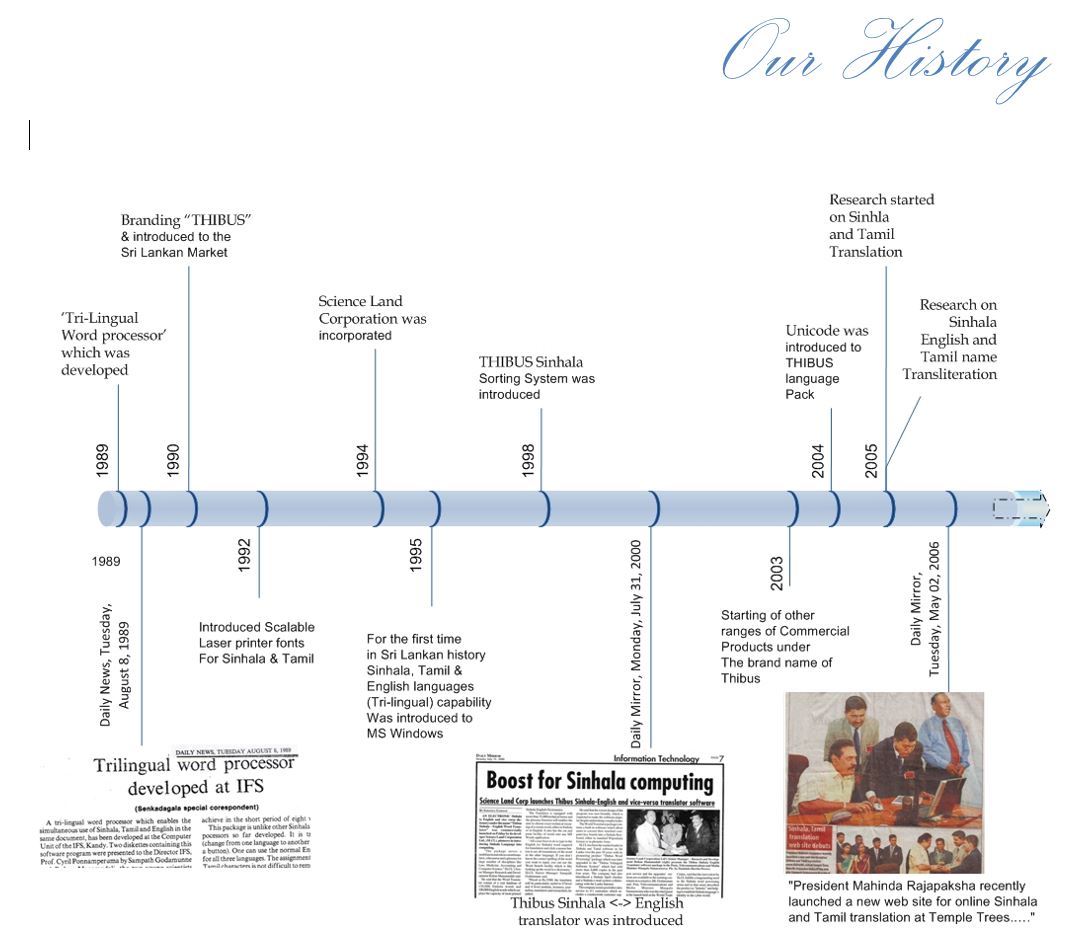
In 1989, Mr. Rohan Manamudali and his team demonstrated their Sinhala word processor and took on the challenge of expanding it further. By refining keyboard input methods and incorporating local language usability needs, they developed what became one of Sri Lanka’s earliest and most influential trilingual word processors.
This product later became known as THIBUS. It filled a major gap in Sri Lanka’s computing landscape by making word processing accessible to users in their own languages. At a time when language remained one of the biggest barriers to technology adoption, THIBUS helped change how people viewed and used computers in daily work.
Taking the solution across the country
Mr. Rohan Manamudali and his team distributed the word processor throughout Sri Lanka, particularly among government institutions, and also carried out awareness programmes free of charge. As adoption grew, it became clear that the product had begun to spread widely and make a genuine place in the country’s computing history.
What made this achievement especially meaningful was that it was not only a technical breakthrough, but also a national enabler. It helped bring computing closer to citizens who previously felt excluded by language barriers.
From innovation to institution building
After completing university, Mr. Rohan Manamudali and his team chose to continue their work in local language computing and build on the foundation they had created. This led to the establishment of Science Land Corporation (Pvt) Ltd. in 1994, a company dedicated to local language computing and innovation.
In the years that followed, the team continued developing important local language technologies, including Windows keyboard drivers, Sinhala and Tamil fonts, spell-checking tools, sorting systems, and early dictionary-based software tools.
A lasting historical legacy
The legacy of this journey lies in helping people use technology in their own languages. By doing so, Mr. Rohan Manamudali and his team contributed to a major shift in local computing in Sri Lanka.
THIBUS remains a defining milestone in that story. It represents innovation, persistence, and a commitment to ensuring that technology could serve local realities. The work begun in the late 1980s became a foundational chapter in Sri Lanka’s local language computing history.
History timeline
Video archive
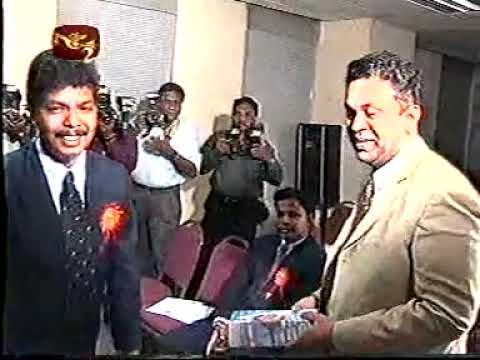
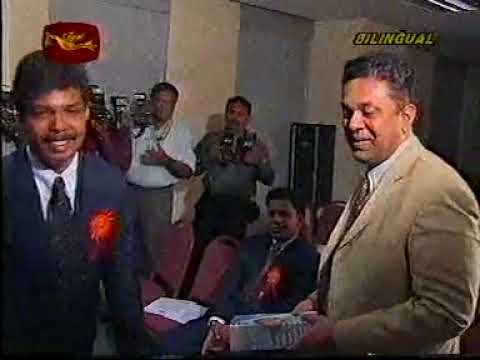
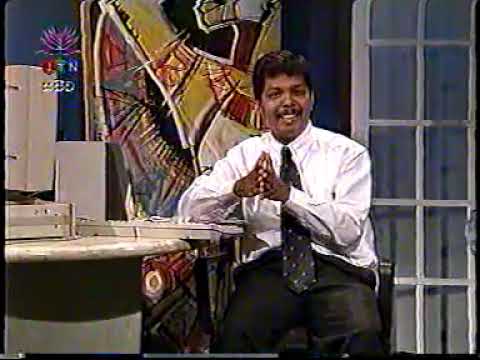
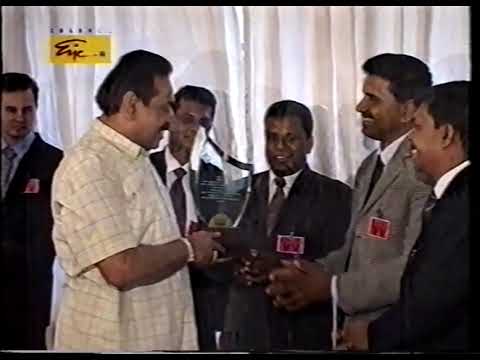
The following video archive provides additional historical references connected to EmetSoft’s early journey and legacy.