
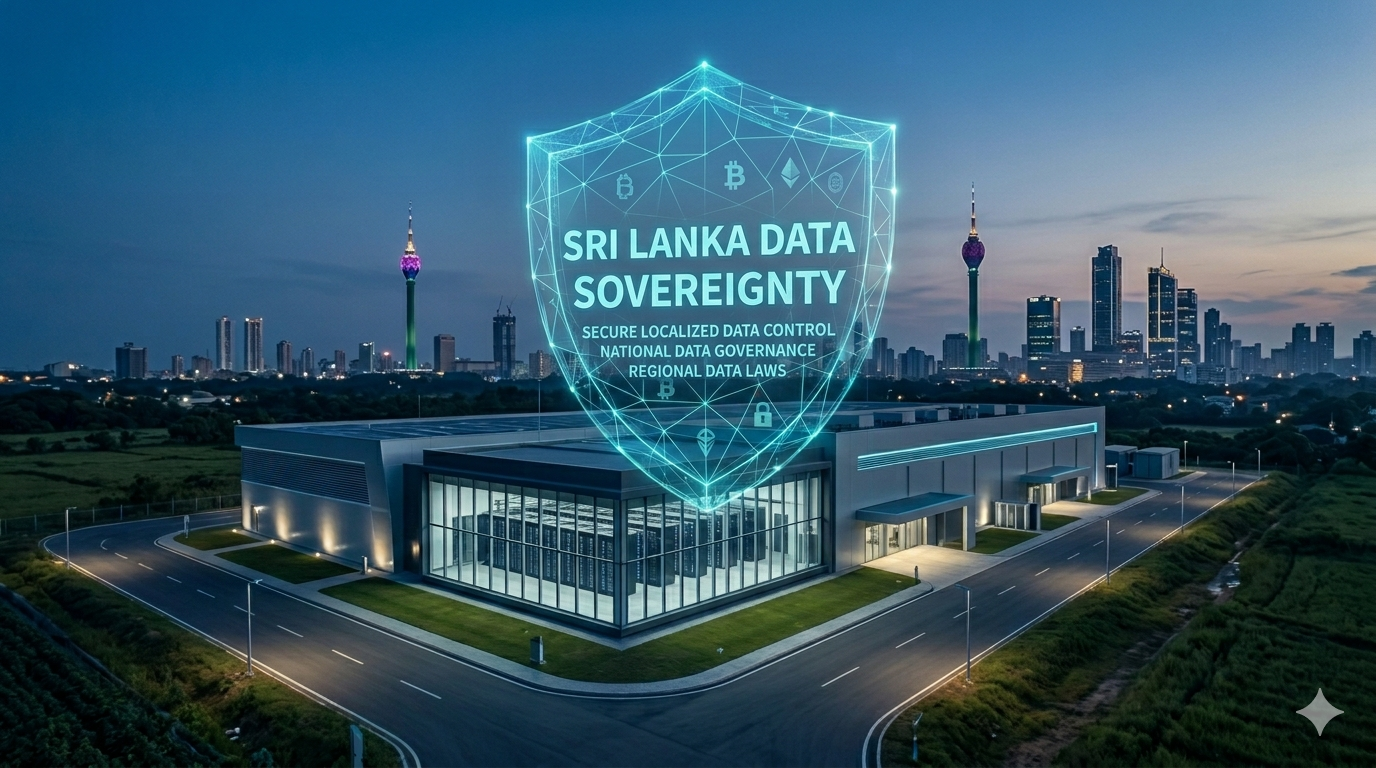
The Era of “Cloud 3.0” and Tech Sovereignty
For the last decade, the cloud was about centralization—moving everything to massive, global data centers. However, as we navigate 2026, the tide is turning. We have entered the era of Cloud 3.0, where the focus has shifted from global convenience to National Tech Sovereignty.
Organizations are increasingly realizing that while the public cloud offers scale, it often comes at the cost of data control. For government entities and highly regulated industries in Sri Lanka, the location and governance of data are no longer just IT concerns—they are matters of national security.
What is Cloud 3.0?
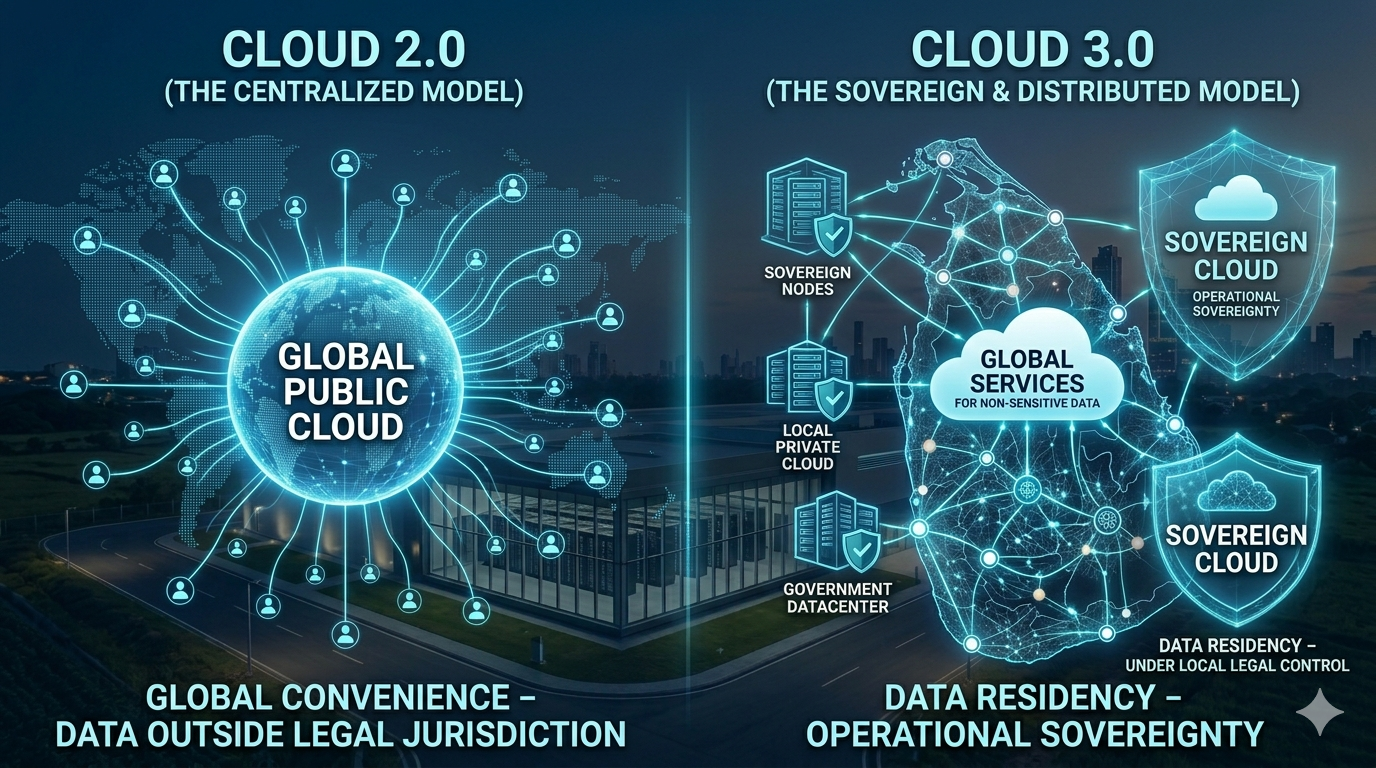
Cloud 3.0 is defined by the Decentralized Hybrid Model. It moves away from “one-size-fits-all” public clouds toward a sophisticated mix of localized private clouds, edge computing, and sovereign data centers that ensure data stays within physical and legal borders.
- Data Residency: Ensuring sensitive citizen and corporate data never leaves the country.
- Operational Sovereignty: The ability to maintain digital services even if global connections are disrupted.
- Software Independence: Utilizing open standards to avoid “vendor lock-in” with global giants.
Why Tech Sovereignty Matters Locally

For local authorities and financial institutions, Tech Sovereignty is the shield against global digital volatility. By hosting critical infrastructure on sovereign clouds, organizations comply with the latest data protection acts while gaining the low-latency performance required for real-time AI and ERP operations.
At EmetSoft, we’ve seen this shift firsthand. Our LGA ERP and financial modules are increasingly being deployed on localized, high-security cloud environments that provide the same agility as global providers but with the added peace of mind that comes with local jurisdiction.
“Digital sovereignty isn’t about isolation; it’s about having the power to choose where your data lives and who has the keys to your digital kingdom.”
The Hybrid Future
The future isn’t about choosing between the cloud and on-premise; it’s about the “Sovereign Hybrid” approach. This allows businesses to use the global public cloud for non-sensitive tasks while keeping the core—the “brain” of the company—secured within a local, sovereign cloud architecture.