

The Next Evolution: AI-Driven Experiences, Immersive 3D, and Experimental Navigation in Web Design
The digital landscape is shifting underneath our feet. The days of static grid-based websites and uniform user journeys are rapidly giving way to a new paradigm of hyper-personalized, fully interactive, and multi-dimensional environments. As modern businesses and enterprise systems strive to better engage users, web developers are moving past traditional constraints to unlock next-generation interface technologies.
Today, web design trends are heavily anchored around three technological pillars: artificial intelligence that adapts to user behavior in real time, immersive 3D graphics that live directly in the browser, and avant-garde, experimental navigation setups that challenge centuries-old layout conventions. Understanding these changes isn’t just about aesthetic relevance—it is about keeping your digital assets performant and accessible in a highly competitive internet economy.
1. AI-Driven Experiences: The Rise of Generative and Hyper-Personalized Frontends
Artificial Intelligence has graduated from a simple back-office predictive tool into the core engine driving frontend presentation layer mechanics. Sites are no longer identical for every visitor. Instead, modern AI-driven platforms analyze user context—such as browsing history, local time, organizational role, and direct input interaction—to transform layout systems dynamically.
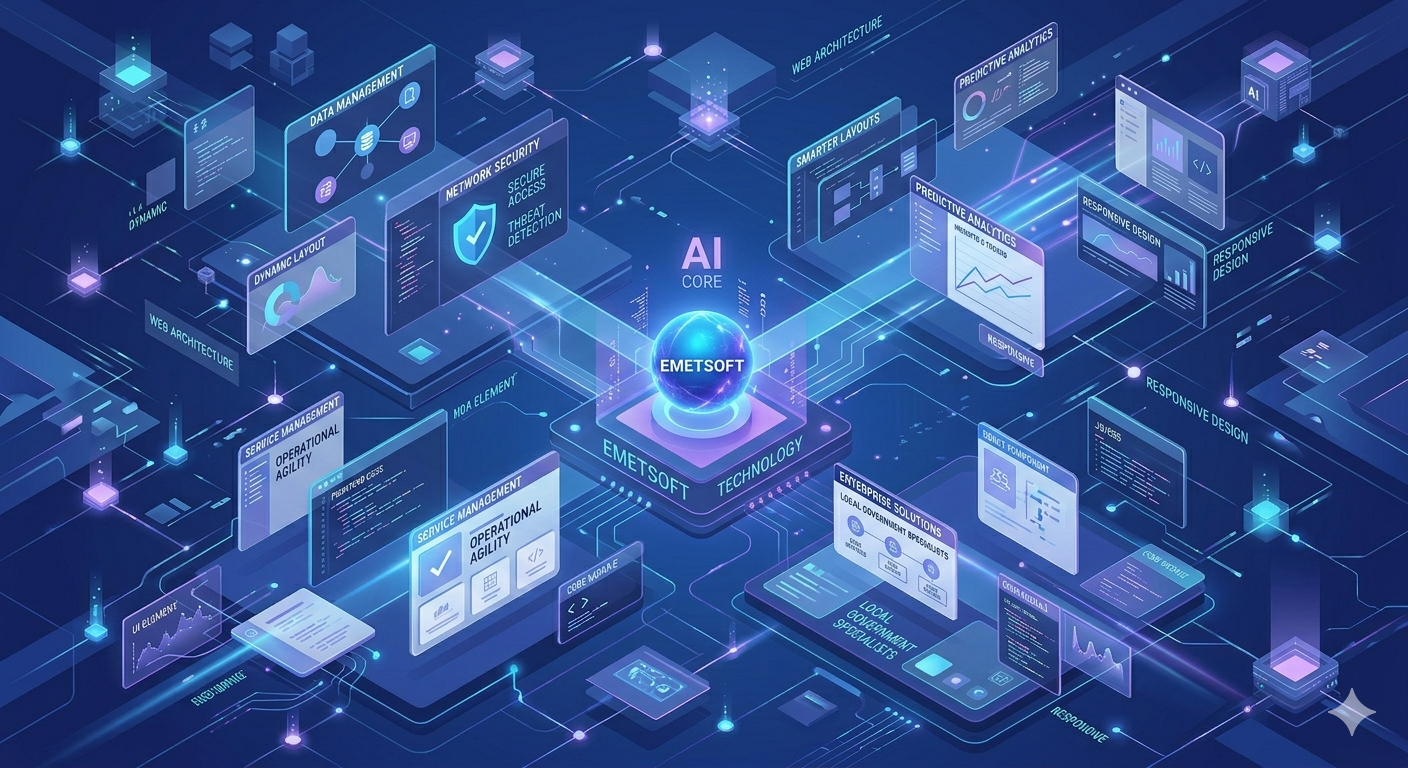
Beyond content recommendations, AI is actively synthesizing custom visual palettes, adapting text readability scales for accessibility requirements, and managing smart semantic search boxes that bypass classic nested menus entirely. Interface layouts morph in real time based on user cognitive load. For instance, an enterprise user dealing with high-stress workflows receives an optimized, clean tabular view, while a user exploring creative features gets an expanded, media-rich immersive workspace. This seamless contextual adaptation drastically drops abandonment rates and boosts system operational efficiency.
2. Immersive 3D and Spatial Web Environments
Thanks to advanced web graphics APIs like WebGL and WebGPU, complex multi-dimensional spatial layouts run natively across both desktop devices and mobile phones without draining hardware lifespans. Web design has evolved from flat, paper-emulated documents into interactive 3D spatial models. Users can move through literal digital spaces, rotate interactive objects, and experience fluid interactive brand stories.
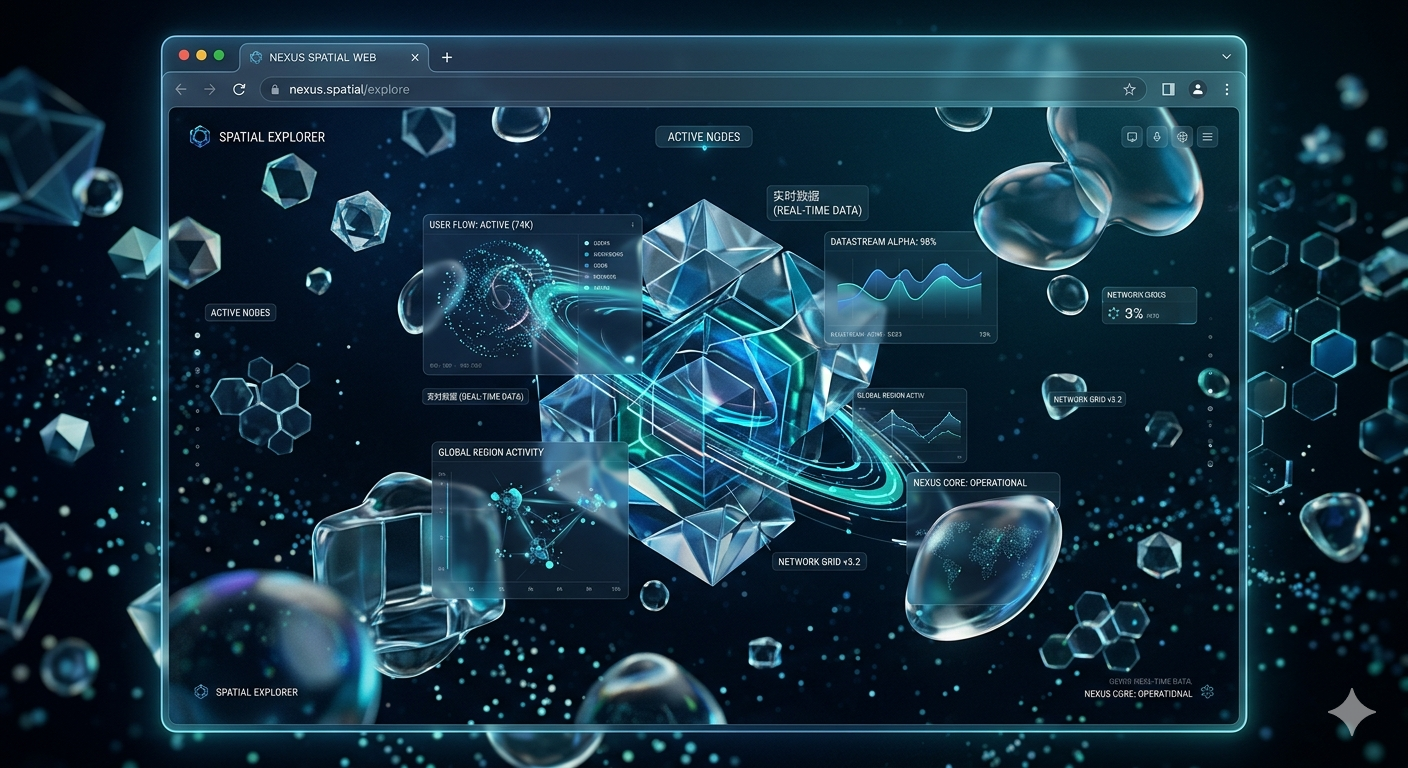
Crucially, 3D elements are no longer just heavy, distracting visual add-ons. They serve functional purposes: showing exact enterprise hardware layouts, helping users visualize modular software architectures, or organizing complex civic data streams. When blended with subtle mouse parallax and inertia-based physics, 3D web design elevates passive screen-staring into deep spatial engagement.
3. Experimental Navigation Setup: Breaking the Grid
For decades, the top horizontal header bar with its standard hamburger menu was the unwritten law of the internet. Today’s frontend engineering teams are systematically dismantling that old framework. We are witnessing a surge in experimental navigation setups, including circular infinity scroll webs, audio-responsive pathing, interactive timeline scrolls, and gesture-driven layouts.

By using non-linear user journeys, websites turn exploration into an engaging experience. Horizontal panning combined with vertical typography, hidden dynamic menu triggers, and micro-interactions focus attention on specific sections. When designed correctly, experimental navigation guides users down customized pathways, transforming traditional reading into an active digital journey.
How EmetSoft Orchestrates Modern Web Engineering and Intelligent UI Evolution
Adopting cutting-edge web design trends requires more than just frontend visual flair. It demands a highly robust, secure, and modern engineering backbone that ensures complex script processing does not degrade security parameters or corporate compliance metrics. This is precisely where EmetSoft provides key enterprise value.
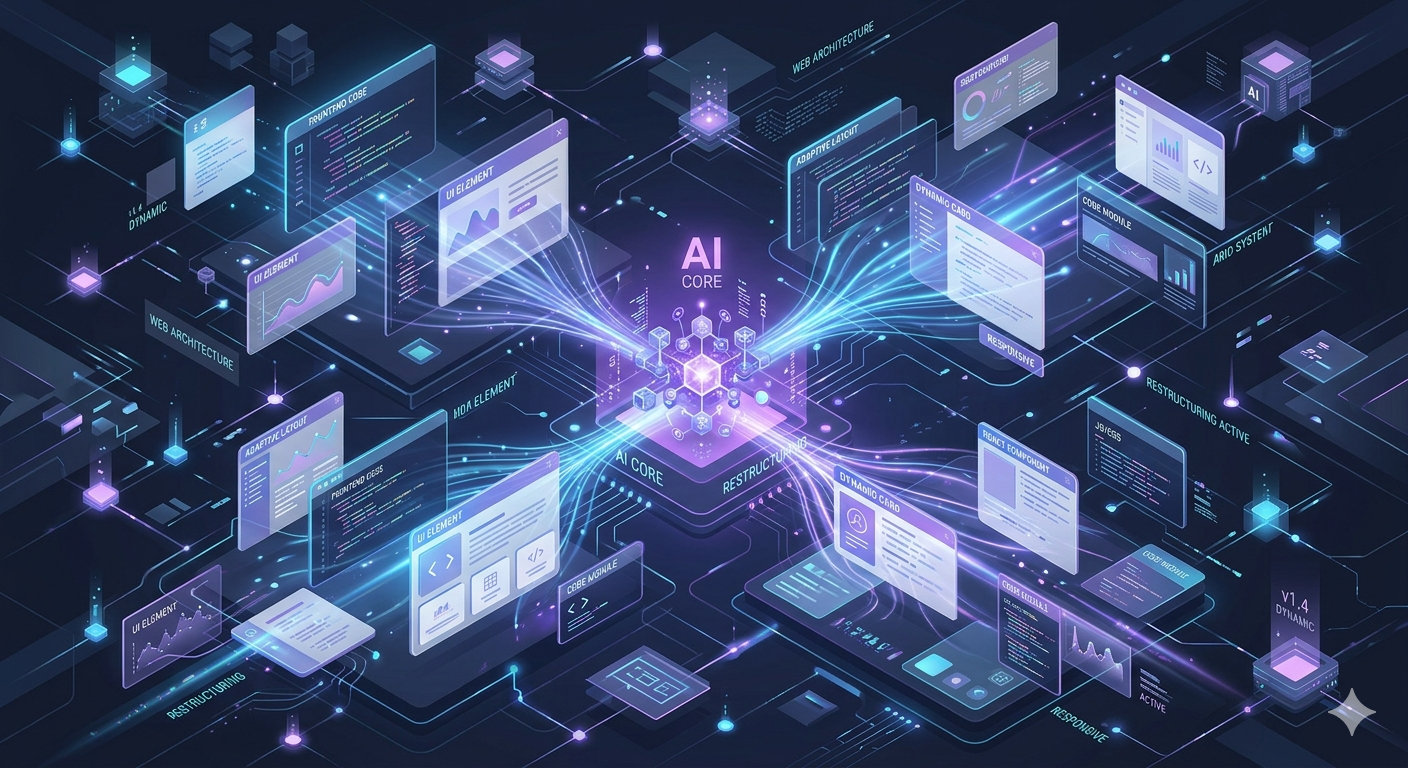
EmetSoft bridges the gap between creative frontend innovations and elite enterprise backend stability. Whether integrating predictive AI micro-services into public sector workflows or building interactive dashboard visualization portals for local government systems, EmetSoft guarantees that web performance remains lightning-fast, highly accessible (WCAG compliant), and strictly isolated from data leaks. Our engineering teams configure smart web infrastructures capable of serving immersive, multi-dimensional layouts while protecting vital backend database assets.
Conclusion
The convergence of artificial intelligence, real-time browser 3D processing, and experimental interface setups marks a historic turning point in internet technology. Web platforms have transitioned from static informational billboards into living, breathing software ecosystems. Embracing these advanced methodologies ensures that your organization commands digital authority, keeps visitors genuinely engaged, and streamlines data accessibility.
“The path to a modern digital presence begins with a single step: recognizing that your web ecosystem is your most visible digital asset and evolving it accordingly.”